So, you’ve got a great idea for a website or a new product, but it’s not quite ready for the world. What do you do with your domain in the meantime? You put up a “Coming Soon” page.
But this isn’t just some digital “under construction” sign. A coming soon page is a powerful marketing tool. Think of it as the trailer for your business’s blockbuster movie—it offers a tantalizing sneak peek that gets people hyped for the main event. It’s your first chance to build anticipation, capture leads, and kick off your marketing well before you officially launch.
What Is a Coming Soon Page and Why It Matters
Launching to the sound of crickets is a nightmare for any entrepreneur. A coming soon page helps you avoid that entirely. It turns the quiet, heads-down development phase into an active pre-launch campaign. Instead of greeting early-bird visitors with a blank screen or a confusing error message, you welcome them with a clear message and a compelling reason to come back.
This single page serves as your brand’s opening act. It lets you test the waters and validate your idea by seeing how many people sign up for updates. More importantly, it opens a direct line of communication with your very first potential customers. You’re not just building a website in a vacuum; you’re building an audience right alongside it.
The Strategic Value of Launching Early
Many people fall into the trap of thinking that marketing only starts after the product is perfect and ready to ship. That’s a huge mistake. A well-designed coming soon page lets you get a major head start and build momentum from day one.
The perks go way beyond just a simple announcement:
- Generate Buzz and Anticipation: You can create genuine excitement and curiosity. Simple elements like a countdown timer or a sneak peek of a key feature make people feel like they’re in on a secret, building up to an exclusive event.
- Capture High-Quality Leads: This is its most critical job. By collecting email addresses from people who are genuinely interested, you’re building a pre-launch list. This list becomes your single most valuable asset on launch day—a built-in audience ready and waiting for your announcement.
- Validate Your Business Idea: Before you sink a ton of time and money into development, you can get a real sense of market interest. If people are signing up in droves, that’s a fantastic sign you’re onto something good.
- Kickstart Your SEO Efforts: Believe it or not, this simple page can help your search engine ranking. Google and other search engines can start crawling and indexing your domain, connecting it with your target keywords. That means you won’t be starting from absolute zero when the full site goes live.
A coming soon page is your first handshake with the market. It’s an opportunity to make a strong first impression, gather valuable feedback, and build a community before your doors even officially open.
The growing recognition of these pre-launch tools is easy to see in the market for landing page builders. The global market for these platforms was valued at USD 657.99 million in 2024 and is expected to rocket to USD 3.87 billion by 2037, growing at a compound annual rate of over 14.6%. This trend highlights just how crucial it has become for businesses to engage with their audiences early and effectively. You can discover more insights about the landing page builder market from recent research.
The Anatomy of a High-Converting Coming Soon Page
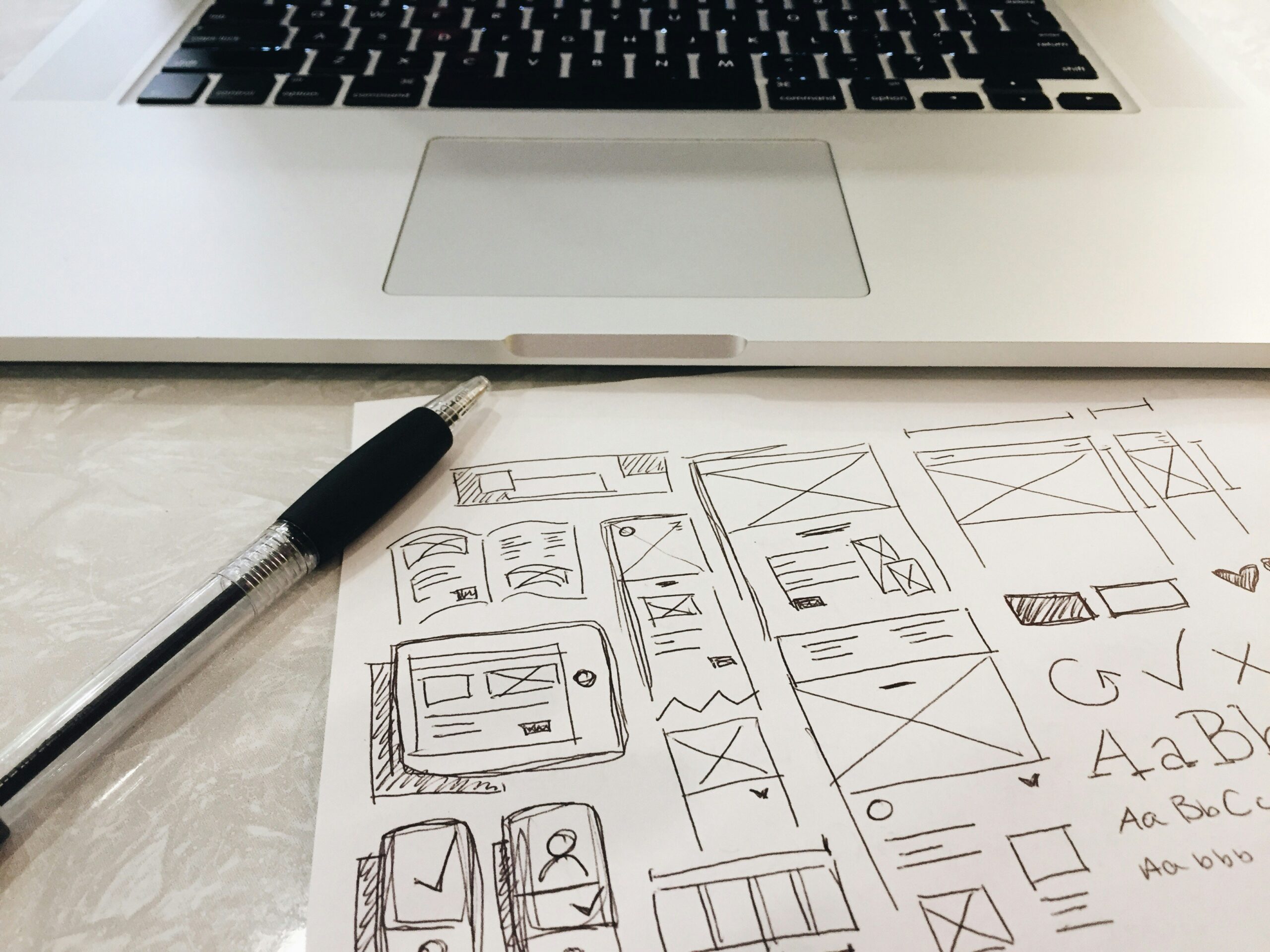
A killer coming soon page is more than just a digital signpost. It’s a finely-tuned engine where every single part—from the headline to the sign-up button—works in concert to do one thing: turn a curious visitor into an eager subscriber.
If you get these core components right, you won’t just be collecting emails. You’ll be building a powerful launchpad for whatever comes next. Let’s break down the must-have elements that separate a forgettable placeholder from a lead-generating machine.
Key Elements of a High-Conversion Coming Soon Page
To truly understand what makes a coming soon page work, it helps to see each piece’s specific job. The table below outlines the essential building blocks, their strategic purpose, and a pro tip for getting each one right.
| Element | Purpose | Best Practice |
|---|---|---|
| Headline | Grab attention instantly and communicate the core benefit. | Focus on the outcome. Answer the visitor’s question: “What’s in it for me?” |
| Benefit-Driven Copy | Build desire and explain why someone should care about your launch. | Use bullet points to highlight what the user gets, not just what your product does. |
| Lead Capture Form | Convert interest into a tangible lead (an email address). | Keep it simple. Ask only for an email to minimize friction and boost sign-ups. |
| Call-to-Action (CTA) | Drive the desired action—signing up for your list. | Use strong, action-oriented text like “Get Early Access” in a high-contrast button. |
| Urgency Element | Motivate immediate action by creating a sense of scarcity. | A countdown timer is a classic for a reason. It visually shows that time is running out. |
| Social Proof/Sharing | Build trust and leverage word-of-mouth marketing. | Add social sharing buttons and consider offering a small incentive for referrals. |
Each of these elements plays a vital role in the page’s overall success. When they work together seamlessly, the result is a page that doesn’t just inform, it persuades.
Crafting a Magnetic Headline and Value Proposition
You’ve got about three seconds. That’s all the time your headline has to hook a visitor before they click away. Vague promises like “Something Big is Coming” just don’t cut it anymore.
Your headline needs to deliver a powerful value proposition—a clear, concise promise of the value you’re offering. It should instantly answer the visitor’s silent question: “Why should I care?”
A new project management tool, for instance, could skip the fluff and go straight for the pain point with a headline like, “Stop Juggling Tasks. Start Dominating Your Day.” It’s direct, benefit-focused, and speaks to a real problem.
Writing Concise and Benefit-Driven Copy
Once the headline has their attention, your body copy has to reel them in. This is not the place for an essay. Keep your sentences short, punchy, and laser-focused on the benefits.
A feature is what your product does; a benefit is what the user gets. Your copy should always emphasize the latter. For example, instead of saying “AI-powered scheduling,” say “Effortlessly find the perfect meeting time without the back-and-forth emails.”
This simple shift from talking about yourself to talking about your customer’s success makes your offer infinitely more compelling. Strong copy builds anticipation and makes signing up feel like the obvious next step in a smooth user experience.
Designing a Frictionless Lead Capture Form
Think of your lead capture form as the heart of the entire page. Every other element is designed to guide people right to this spot. The secret to a form that people actually fill out? Make it dead simple.
The goal is to remove every possible bit of friction. All you really need is an email address. Every extra field you add—name, company, phone number—is another reason for someone to hesitate and leave. If you need more info, you can always ask for it later. For a deep dive, check out this guide to build a high-converting lead capture form.
The Power Trio: Urgency, Action, and Trust
Beyond the basics, a few key psychological triggers can dramatically lift your conversion rates. These elements work together to build trust and create a sense of immediacy that pushes people to act now.
Here’s the trio that makes it all click:
- A Compelling Call-to-Action (CTA): Your CTA button has to be unmissable. Use urgent, action-packed text like “Get Early Access” or “Notify Me at Launch”—not a boring “Submit.” The button itself should pop with a color that contrasts with the rest of the page.
- Countdown Timers: There’s nothing quite like a ticking clock to create a sense of urgency. A countdown timer visually reinforces that the launch is a time-sensitive event, tapping into our natural fear of missing out (FOMO) and encouraging sign-ups on the spot.
- Social Proof and Sharing: Let your first visitors become your first marketers. By including social sharing buttons, you make it easy for them to spread the word. You can even sweeten the deal by offering a small bonus or discount to anyone who refers a friend.
- Contact Information: Even something as simple as an email address or a link to a social profile can make a huge difference. It shows there are real humans behind the project, which is critical for building that initial layer of trust.
Building Your Pre-Launch SEO Foundation
Most people see a coming soon page as just a temporary placeholder. That’s a huge mistake. It’s actually one of the most powerful, and frankly, underused SEO tools you have at your disposal.
Think of it like laying the foundation for a skyscraper long before the first wall goes up. By putting up an optimized page early, you’re basically sending an invitation to Google and other search engines to start learning about your brand, what you do, and who you do it for.
This early indexing gives your domain time to mature and build a bit of authority. It’s a massive head start that your competitors probably aren’t taking. Instead of launching to crickets, you get to debut with some real search visibility and momentum already behind you.
Optimizing Your Page for Search Engines
Of course, just having a page isn’t enough. It needs to be properly optimized to tell search engines what it’s all about. This all starts with good old-fashioned keyword research—finding out what terms and phrases your future customers are actually typing into Google.
Once you know your primary keywords, you need to weave them into the page. The goal isn’t to cram them in everywhere, but to use them naturally so they signal what your site will eventually offer.
Here are the absolute must-haves for your page:
- Craft an SEO-Friendly Title Tag: This is the headline that shows up in browser tabs and on the Google search results page. It should cleanly state your brand and what you do, like “Acme Project Manager | The Future of Team Collaboration.”
- Write a Compelling Meta Description: This is the little blurb under your title in the search results. It’s your 160-character sales pitch to get someone to click, so make it enticing and include your main keywords.
- Use SEO-Focused On-Page Copy: The main headline and body text on your page need to clearly explain your value proposition. Use the language your audience uses; this helps both real people and search engine bots understand what’s coming.
Nailing your audience’s language is everything. Even a little bit of research into your ideal customer can uncover the exact phrases they use to describe their pain points, which is gold for on-page SEO. You can learn more about grouping these customers in our guide on target audience segmentation.
Setting Up Analytics from Day One
Launching a website without analytics is like flying a plane blind. Before your coming soon page ever sees the light of day, you have to get your tracking tools in place. This isn’t optional—it provides crucial data from the very first visitor.
Setting up analytics early transforms your pre-launch phase from a waiting game into an active research period. Every visitor provides a data point that can help you refine your messaging, understand your audience, and validate your market.
There are two tools you absolutely need to install right away:
- Google Analytics: This is the classic for a reason. It tracks what people do on your page—how they found you, where they’re from, and how long they stick around. This is invaluable for getting a first look at your audience.
- Google Search Console: Think of this as your website’s health report from Google’s point of view. It shows you which keywords are bringing people to your page, flags any technical glitches, and confirms that Google is actually indexing your page correctly.
The Impact of Early SEO Efforts
The payoff for this pre-launch work is real and measurable. Studies have shown that websites with optimized coming soon pages saw an average organic traffic bump of 20-30% in the months leading up to their official launch compared to sites that just appeared overnight.
This early effort helps establish your site’s authority and relevance before you even have a full product ready. Find out more by reading the full research about pre-launch page impact. When you treat your coming soon page as the first chapter of your SEO story, you ensure your grand opening is met by an audience that’s already waiting.
Coming Soon Page Examples and Proven Templates

It’s one thing to talk about the theory behind a great coming soon page, but seeing it done right is where the lightbulbs really go off. The best pages are masters of persuasion, using clever design and sharp copy to turn a simple placeholder into a full-blown marketing event.
By breaking down what works for others, you can cherry-pick proven strategies for your own pre-launch campaign. Let’s dive into a few examples from different corners of the market to see how they pull it off.
SaaS Product Launch Example
Picture a new project management tool about to hit the market. Its coming soon page doesn’t just mumble, “we’re new.” It shouts from the rooftops with a headline that nails a universal pain point: “Stop Drowning in Tasks. Reclaim Your Day.”
The rest of the copy is razor-sharp and minimal. It uses a few bullet points to highlight the benefits, not just the features:
- Automate your repetitive tasks in seconds.
- See your team’s entire workflow at a glance.
- Integrate with the tools you already love.
The call-to-action is a big, can’t-miss button that promises, “Get 50% Off at Launch.” This page works because it sells a solution—less stress, more control—and gives people a concrete reason to sign up right now.
E-commerce Store Pre-Launch Example
Now, imagine a new sustainable fashion brand. They want to build a community, not just a customer list, before the first product ever drops. Their page features a stunning photo of their signature piece, but the real star is the story. The headline is aspirational: “Wear Your Values. Look Amazing Doing It.”
They’ve added a countdown timer ticking down to the grand opening, which immediately injects a dose of urgency. And instead of a generic “enter your email” field, the form invites visitors to “Join the Movement” for exclusive early access and a peek behind the scenes. This approach makes subscribers feel like insiders, not just names on a list.
The most effective coming soon pages don’t just announce a product; they invite visitors into a story. They make signing up feel like the first step in an exciting journey, transforming passive interest into active anticipation.
Three Proven Templates to Get You Started
Feeling inspired? The good news is you don’t have to reinvent the wheel. Here are three conversion-focused templates you can adapt for your project, each built for a specific goal.
Template 1: The Minimalist Lead Magnet
This one is all about getting straight to the point. It’s perfect for SaaS products, professional services, or anyone with a powerful, clear-cut value proposition.
- Headline: State the primary benefit in ten words or less. Think: “The Easiest Way to Create Professional Invoices.”
- Subheading: Briefly explain who it’s for and what problem it crushes.
- Lead Capture: A single email field tied to an irresistible offer. The CTA should promise a clear reward, like “Get a Free Guide to Better Invoicing” or “Claim Your Early Adopter Discount.”
- Design: Keep it clean. A single background image or color with plenty of white space puts all the focus on the headline and the form.
Template 2: The Viral Hype Builder
If your main goal is to get people talking and maximize your reach, this is your playbook. The entire strategy is built around incentivizing social sharing and referrals.
- Headline: Spark curiosity and a sense of exclusivity. For example: “The Secret Is Almost Out. Be the First to Know.”
- Value Proposition: Briefly explain the product, then immediately introduce the referral program.
- Referral System: Use a tool that gives every subscriber their own unique sharing link. Offer tiered rewards, like “Refer 3 friends for early access” or “Refer 10 friends for a free product on launch day.”
- Visuals: A slick teaser video or a few dynamic images will help build that must-have excitement.
Template 3: The Product Showcase
This template is a natural fit for physical products, e-commerce brands, or any launch where the visuals do the heavy lifting. It gives a juicy sneak peek without giving away the whole farm.
- Headline: Announce the product with confidence: “Introducing the All-New HydroFlask Pro.”
- Visuals: A high-quality gallery of product shots or even a 360-degree view. You can get clever by using tasteful blurs or shadows to hide certain details and build suspense.
- Key Features: List out 3-5 of the most compelling features, always framing them in terms of benefits for the customer.
- Countdown Timer: A big, bold timer counting down to the exact launch date and time.
- Call-to-Action: Make the CTA direct and time-sensitive. Something like “Notify Me at Launch” works perfectly.
By picking the right approach for your goals, you can build a coming soon page that not only looks professional but also works around the clock to build your audience before you even open for business.
How to Build and Launch Your Coming Soon Page
Alright, with the strategy and design nailed down, it’s time to get your hands dirty and actually build this thing. The best part? You absolutely do not need to be a coding wizard to create a professional-looking page that gets results. There are fantastic tools out there for every skill level and platform.
We’ll walk through the most common ways to get this done, from simple plugins to using the built-in features of your e-commerce platform. The goal is to get you from a blank slate to a live, lead-capturing page as painlessly as possible. Let’s find the right approach for you.
Using WordPress Plugins for Easy Setup
For the millions of us running sites on WordPress, plugins are by far the fastest and easiest route. These tools are designed to do all the heavy lifting for you, offering pre-made templates and drag-and-drop editors that require zero technical chops.
They handle the backend stuff, making sure your main site stays hidden while displaying a polished coming soon page to visitors. Many even come loaded with the essentials, like countdown timers, social media links, and hooks for your email marketing service.
A couple of top-notch options to look at are:
- SeedProd: This one is a huge player in the space for a reason. SeedProd has a visual builder that makes customizing your page a breeze, plus a massive library of templates to start from. It connects directly with major email platforms like Mailchimp and Constant Contact.
- Elementor Maintenance Mode: If you’re already building your site with the Elementor page builder, you’re in luck. Its built-in Maintenance Mode is a killer feature that lets you design your coming soon page using the same interface you already know and love.
Customizing E-commerce Password Pages
Platforms like Shopify and BigCommerce were built with product launches in mind. By default, your new, unpublished store is guarded by a “password page”—which is really just a built-in coming soon page. It’s functional right out of the box, but a few tweaks can turn it into a marketing machine.
Most themes let you easily edit this page to:
- Add your logo and brand colors.
- Swap out the background image.
- Rewrite the text to build some real excitement.
- Crucially, include a newsletter signup form so you can start gathering emails from day one.
Don’t sleep on this feature. Customizing your store’s password page is one of the simplest, most effective ways to build an audience before you’ve even made your first sale. You’re turning a dead end into a genuine lead-generation opportunity without spending an extra dime.
Building a Custom-Coded Page
For anyone who wants total creative freedom or has very specific needs, nothing beats a custom-coded HTML/CSS page. This path is perfect for developers or businesses with a dev team who want to create a truly unique pre-launch experience.
When you build from scratch, you can do anything—complex animations, one-of-a-kind layouts, or custom integrations that a page builder just can’t handle. Just keep in mind that this route requires real-deal knowledge of web development and how to get a page hosted and live on the internet.
Enhancing Your Page and Driving Action
Once your page is up and running, a few extra touches can really crank up its effectiveness. For example, a notification bar is a fantastic way to flash a special offer or an important update without cluttering up your clean design. You could add a bar that shouts, “Sign up now and get an exclusive 20% discount on launch day!” This keeps your core message simple while layering on a powerful incentive. Tools like LoudBar are designed specifically to make these messages pop and boost conversions with eye-catching effects.
No matter which method you go with, remember that this page is just one piece of a bigger puzzle. To get the best results, slot your coming soon page into a comprehensive product launch checklist template. This ensures all your pre-launch activities are working together, setting you up for a smooth and powerful launch day.
Got Questions About Coming Soon Pages? We’ve Got Answers.
So you’re gearing up for a launch. Big things are on the horizon, but you’ve got questions. A coming soon page might seem simple on the surface, but a lot of strategy goes into making it work. Getting the details right can be the difference between a launch that fizzles out and one that starts with a bang.
Let’s clear up some of the most common questions people have when building a coming soon page. My goal here is to give you straightforward, practical answers so you can move forward with confidence and sidestep those common pitfalls.
How Long Should a Coming Soon Page Be Live Before Launch?
Ah, the timing question. This is all about finding that sweet spot. You need enough time to build genuine momentum, but not so much that the excitement dies down before you even open the doors.
For most projects, the ideal window is 30 to 90 days. This gives you enough runway to build a solid email list and get people talking, but it’s not so long that you risk audience fatigue. Go much shorter, and you won’t have time to gain traction. Go much longer, and your launch can start to feel like it’s perpetually “coming soon,” which is a real buzzkill.
You’ll want to fine-tune this timeline based on your specific situation:
- Launching a simple product or a new feature? A focused 30-day campaign is usually plenty of time to get your existing audience hyped and capture new leads.
- Starting a whole new company in a crowded market? Give yourself more room to breathe. A longer, 90-day pre-launch can be a game-changer, giving you time to build an audience from scratch, run ad campaigns, and start getting noticed by search engines.
The bottom line? You want to create a wave of anticipation that crests right on launch day, not months before.
What Should I Do with the Email List I Collect?
Your pre-launch email list is pure gold—so treat it that way. One of the biggest mistakes I see founders make is letting that list go cold. These people are your hottest leads. They literally raised their hands and said, “Yes, I want to hear from you!”
Don’t just sit on that list until you’re ready to launch. Start the conversation now. Nurture these subscribers to keep them invested and excited.
Think of your pre-launch subscribers as your founding members. They’re your first believers. Keeping them in the loop makes them feel like insiders, transforming them from passive followers into genuine advocates for your brand.
Here are a few simple ways to keep them engaged:
- Send occasional updates: Share a peek behind the curtain. Show them sneak peeks of the product or talk about key milestones you’ve hit during development.
- Ask for their opinion: Send out a quick survey asking about their biggest pain points related to your niche. This not only provides you with invaluable feedback but also makes them feel like part of the process.
- Build a community: Invite them to a private Discord server or Facebook group. It’s a great way for them to connect with you and each other.
Then, when launch day finally arrives, reward their early faith with something special. An exclusive discount or early access can be a powerful way to turn those first subscribers into your first paying customers.
Can a Coming Soon Page Hurt My SEO?
This is a great question. A well-executed coming soon page is a massive asset for your SEO. But a poorly configured one? It can definitely cause problems. To make sure it helps, not hurts, you have to get the technical setup right.
The single most critical piece is the HTTP status code. Your page absolutely must return a 200 OK status code. This is the signal that tells Google and other search engines, “Hey, this is a real, healthy page—go ahead and index it.” You want to avoid using a 503 Service Unavailable code at all costs. That’s for temporary maintenance, and it tells search engines to come back later, effectively killing your chance to get indexed.
Beyond the status code, make sure your page isn’t just a pretty picture. It needs:
- Indexable text: You need a clear headline, a short description of what’s on the way, and some relevant keywords.
- A proper title tag and meta description: These are SEO 101. They tell search engines what your page is about and give people a reason to click when they see you in the search results.
Get this right, and you’re building your SEO foundation from day one. Get it wrong, and you’re wasting a golden opportunity.
Should I Run Paid Ads to My Coming Soon Page?
Yes, you absolutely should. Driving paid traffic from platforms like Google, Facebook, or LinkedIn to your coming soon page is a brilliant way to supercharge your lead generation and validate your entire idea. It’s a low-risk way to test your core messaging and value proposition before the product is even finished.
Think about it: by running small, targeted ad campaigns, you can gather priceless data. You can A/B test different headlines, ad copy, and audience segments to see what actually resonates with people. That feedback is incredibly valuable for refining your website copy and overall launch strategy.
You don’t need a huge budget. Start small, test, and learn. Once you find a message that converts, you can scale up your spending with the confidence that you’re putting money behind something that works.
Ready to make sure your launch announcements get the attention they deserve? LoudBar helps you create unmissable notification bars with fun, eye-catching effects that cut through the noise. Start building your pre-launch buzz today at https://loudbar.co.