Think of a website squeeze page as a landing page that’s been stripped down to its absolute essential purpose: to capture a visitor’s email address. It’s not a jack-of-all-trades page; it’s a specialist. The whole idea is to offer something so valuable in return—a free guide, a checklist, a discount—that visitors are more than happy to trade their email for it.
Why a Squeeze Page Is Your Secret Weapon
Let’s use an analogy. Your homepage is like a busy department store. There are dozens of aisles, countless products, and signs everywhere pulling for attention. Visitors can easily wander, get distracted, and walk out without a second thought.
A squeeze page, in contrast, is like a pop-up shop with one amazing item in the window and a single door. Its job isn’t to show off everything you do; it’s to start one specific, valuable conversation.
This intense focus is precisely what makes it so effective. By stripping away navigation menus, sidebars, and other competing calls-to-action, you create a clear, unobstructed path to one single action: signing up. This direct approach is a powerhouse for generating leads.
The Power of a Singular Goal
The core mission of a squeeze page is capturing a visitor’s contact information, which is why it’s a cornerstone of any good strategies for building an email list. You stop hoping visitors will stumble upon your newsletter signup form in the footer and instead present them with a clear, compelling value exchange right upfront.
A squeeze page trades a valuable asset (like an ebook or a webinar seat) for the visitor’s email address. It’s a direct, transparent transaction that forms the foundation of a strong lead-nurturing relationship.
This whole strategy is built on one simple truth: your email list is one of the most powerful assets your business can own. It’s a direct line to people who have already shown interest, allowing you to build trust and guide them toward a sale when the time is right.
While a general landing page might have different goals, their average conversion rate hovers around 6.6%. A well-executed squeeze page, however, often blows past that number simply because it’s so hyper-focused.
Squeeze Page vs Homepage vs Landing Page At a Glance
To really get it, let’s quickly compare these three common page types. They all have different jobs to do.
| Page Type | Primary Goal | Number of Links | Main Focus |
|---|---|---|---|
| Squeeze Page | Capture an email address | One (the sign-up button) | Lead Generation |
| Landing Page | Drive a specific action (sale, demo, etc.) | One or a few, all for the same goal | Conversion |
| Homepage | Introduce the brand & guide visitors | Many | Navigation & Exploration |
See the difference? The squeeze page is the most specialized of the three, designed with ruthless efficiency to do one thing and one thing only.
The Anatomy of a Squeeze Page That Actually Converts
A great squeeze page isn’t just a random assortment of text and buttons. It’s a finely tuned machine, with every single piece working toward one goal: getting that sign-up. When all the parts click into place, the experience for the visitor is seamless. It feels less like a hard sell and more like a generous offer they can’t refuse.
Think of it as a puzzle. Each component has to fit perfectly to create the full, persuasive picture.
Let’s break down the non-negotiable building blocks you’ll need to turn visitors into valuable leads.
1. A Magnetic Headline
You’ve got about three seconds. That’s it. Your headline is the first thing people see, and in that tiny window, it has to grab their attention and answer their unspoken question: “What’s in it for me?”
A powerful headline is never vague. It’s crystal clear, focused on a benefit, and speaks directly to a problem your visitor is desperate to solve. For instance, “Sign Up for Our Newsletter” is weak. It does nothing.
But “Unlock the 5 Secrets to Doubling Your Website Traffic in 30 Days“—now that gets a click. It promises a specific, highly desirable result, making it infinitely more compelling.
2. An Irresistible Lead Magnet
This is the core of the deal. The lead magnet is the valuable thing you’re offering in exchange for their contact info. This isn’t just a gimmick; it’s your first chance to prove your worth and show them a sample of the value you bring to the table. A truly effective lead magnet solves a real, nagging problem for your ideal customer.
Some of the best-performing lead magnets are:
- Checklists or Cheatsheets: Simple, actionable guides that make a complicated process feel easy.
- Ebooks or Guides: Deeper dives that position you as an expert and offer comprehensive answers.
- Webinar Access: An exclusive chance to learn from you or another expert live, which creates urgency.
- Discount Codes: A straight-up monetary incentive that works like a charm for e-commerce brands.
The trick is to offer something so genuinely useful that your visitors feel like they’re getting the better end of the bargain.
3. Benefit-Driven Copy
Keep your copy short, sweet, and powerful. This is not the place for your company’s life story. You need to relentlessly focus on the benefits for the user. What transformation will they experience after they get your lead magnet?
Use short paragraphs and bullet points to make the value pop off the page. People scan, they don’t read.
Your goal is to get visitors to enter their contact info, not show off your entire résumé. The text and visual elements on your squeeze page should serve the single purpose of convincing visitors to fill out your form.
Talk like your audience talks. It builds an instant connection and shows them you truly get their struggles.
4. A Simple and Obvious Opt-In Form
Don’t make people jump through hoops. Your form should be dead simple and create as little friction as possible. In most cases, all you need is an email address. Seriously. Every extra field you add is another reason for someone to give up and leave.
And please, make the form easy to find. Place it front and center so they can’t possibly miss it.
5. A Strong Call to Action (CTA)
Finally, the CTA button. This is your closer. It needs to tell the visitor exactly what to do next using clear, action-oriented language. “Submit” is boring and uninspired.
Instead, try something that reinforces the value they’re about to receive, like “Get My Free Guide Now!” or “Send Me the Discount!” Make that button stand out with a bold, contrasting color that draws the eye and begs to be clicked.
Design and Copywriting for Maximum Impact
Just throwing the right elements onto a page isn’t enough. The real secret to a high-converting website squeeze page is the seamless dance between design and copy. It’s about creating an experience so persuasive and intuitive that saying “yes” feels like the most natural thing in the world.
Think of it as a focused conversation. Your design sets the stage, making the visitor feel at ease and directing their attention. Your copy is the voice in that conversation, building rapport and making a compelling case. When they work together perfectly, conversions just happen.

Guiding the Eye with Smart Design
A great squeeze page design is so effective it’s almost invisible. It doesn’t shout for attention; it subtly steers a visitor’s gaze right where you want it to go—the form and the call-to-action button. This isn’t luck; it’s smart, strategic thinking.
Here’s how you can make your design work for you:
- Embrace Whitespace: Don’t be afraid of empty space. Crowding your page with text and images just creates noise. Generous whitespace makes your page feel clean and professional, allowing your headline and CTA to truly stand out. It gives your message room to breathe.
- Create a Clear Visual Hierarchy: Use size, color, and placement to tell visitors what’s most important. Your headline should be the biggest, boldest thing on the page. Your CTA button needs a contrasting color that practically begs to be clicked.
- Kill All Distractions: This is the cardinal rule. A true squeeze page has zero navigation links, no footer, and no social media buttons. Every single link that isn’t your submit button is a potential leak, draining away your hard-earned traffic.
Writing Copy That Connects and Converts
Your copy isn’t just there to describe your lead magnet. It’s there to sell a solution—a transformation. You need to speak directly to your visitor’s biggest headaches and deepest desires, using words they would use themselves. The goal is an instant “Aha!” moment where they think, “Finally, someone gets it.”
A squeeze page trades a valuable asset for a visitor’s email address. Your design and copy must work in perfect harmony to make that trade feel like an incredible deal for the user, removing any hesitation.
When it comes to copy, less is almost always more. Research actually shows that shorter landing pages can outperform longer ones by 13.5%. Every word has a job to do, so be ruthless in your editing. If you’re curious about the data, you can dig into the full research on landing page statistics.
Using Psychological Triggers
To really crank up your conversion rate, you can tap into some powerful, time-tested psychological principles. These aren’t sneaky tricks; they’re just ways of framing your offer that align with how people naturally make decisions.
- Urgency: Phrases like “Offer ends Friday!” or “Limited spots available” create a sense of FOMO (fear of missing out). It nudges people to act now instead of putting it off for later.
- Scarcity: “Only 50 free guides left” makes your offer feel more exclusive and valuable. When something is in short supply, we instinctively want it more.
- Social Proof: Nothing builds trust faster than seeing that other people are already on board. Adding a couple of short testimonials or logos from recognizable clients can dramatically reduce a visitor’s hesitation.
By blending these design and copywriting tactics, you’re not just building a webpage; you’re building a finely-tuned conversion machine. Of course, there are always more advanced techniques to explore, and you can learn more by checking out our other guides on website engagement.
Let’s See Some Squeeze Pages in the Wild
Reading about the theory is one thing, but seeing it in action is where the lightbulbs really go off. To get a feel for what a great website squeeze page looks like, we need to look at real-world examples that are actively turning browsers into leads.
By breaking down what successful brands are doing, you can borrow ideas and get inspired for your own pages. Let’s look at a few common scenarios.
The SaaS Sign-Up
Software-as-a-Service (SaaS) companies live and die by the squeeze page. It’s often the front door for their free trials and product demos. Their whole game is about being crystal clear, showing off who trusts them, and getting the value proposition across in seconds. They know their audience is short on time and needs to see the “what’s in it for me” right away.
- The Offer: Usually a free trial or a live demo.
- The Headline: Always focused on the benefit, like “Start Building Better Reports in Minutes.”
- Key Elements: You’ll almost always see very few form fields (sometimes just an email), logos from well-known customers to build instant trust, and one big, can’t-miss call-to-action button.
This collection of landing pages shows just how focused these designs are.
Notice how different they all look, yet they share that same laser focus. Everything on the page points you toward one single action, with zero clutter to get in the way.
The E-commerce Discount Capture
For an online store, a squeeze page is often the very first “hello.” The goal is straightforward: get an email address to grow their marketing list and, ideally, trigger a sale right then and there with a tempting offer. You’ll see these most often as pop-ups or full-screen entry pages.
A squeeze page in e-commerce is a direct value exchange. The brand gets a valuable lead for future marketing, and the customer gets an instant discount. It’s a win-win that builds the foundation for a long-term relationship.
This is such a powerful move because it catches people when their interest is at its peak—while they’re actively looking at products. The most common plays you’ll see are:
- Welcome Discount: Offering 10-15% off the first order is a time-tested classic. It gives people a little nudge to buy now and makes that first purchase feel like a no-brainer.
- Exclusive Access: “Be the first to know about new arrivals and sales.” This works because it makes shoppers feel like insiders and keeps them connected to the brand.
- Free Shipping Offer: Don’t underestimate the power of free shipping. For many shoppers, seeing that you’ll cover the shipping cost is an even bigger motivator than a percentage discount.
The Content Upgrade
Bloggers, coaches, and anyone in the business of information rely on squeeze pages to offer “content upgrades.” This is all about giving away a juicy piece of exclusive content—think an ebook, a handy checklist, or a spot in a webinar—in return for an email.
This strategy does more than just build a list; it positions the brand as an expert. The copy on these pages isn’t just about the download itself, but about the transformation it provides. For instance, a page offering a free guide on financial planning won’t just say “Download our guide.” It’ll say something like, “Take Control of Your Financial Future Today.” That kind of aspirational language makes the offer feel incredibly valuable.
Choosing Your Tools to Build a Squeeze Page
Alright, you know what a squeeze page needs to do. Now comes the fun part: actually building it. The great news is you don’t need to be a coding guru to make this happen. There are plenty of tools out there that let you launch a professional-looking page fast, no matter your budget or tech skills.
The right tool for you really boils down to what you’re already using for your website, how much control you want over the design, and where you’ll be sending all those new email subscribers. Let’s walk through the best options.
Dedicated Landing Page Builders
If you want the most straightforward, powerful path, dedicated landing page builders are your best bet. These platforms are purpose-built for one thing: creating pages that convert. They’re packed with features to make it as simple as possible.
- Leadpages & Unbounce: These are the big names in the space. Think drag-and-drop simplicity, huge libraries of templates that are already proven to work, and built-in A/B testing. They connect with just about any email marketing service you can imagine.
- Instapage: This one is a powerhouse, especially for teams. If you need deep analytics and tools for collaborating on page design, Instapage is worth a look.
These are standalone services, so you’ll be paying a monthly fee. But honestly, the time you save and the lift in conversions usually make it a worthwhile investment.
WordPress Plugins and Themes
Running your site on WordPress? You’re in luck. There are tons of fantastic and affordable options available right inside your dashboard, making it incredibly convenient.
A page builder plugin is usually the most flexible way to go.
Elementor and Divi: These aren’t just simple page builders; they’re full-blown design frameworks for WordPress. You can build a squeeze page completely from scratch or grab one of their templates, all without writing a single line of code.
You’ll also find that most email marketing services like Mailchimp or ConvertKit have their own WordPress plugins. These often let you create and pop simple landing pages and forms right into your existing site.
All-in-One Marketing Platforms
Many modern marketing platforms have realized it’s easier to bundle everything together. They often include a landing page builder alongside their email marketing, CRM, and automation tools, which keeps your whole operation in one place.
Platforms like HubSpot and Kajabi are perfect examples. They might not have as many flashy templates as a dedicated builder like Leadpages, but their strength is how everything works together. When someone signs up on your squeeze page, their info automatically lands in your email list and kicks off your marketing funnels—no messy integrations required.
This all-in-one approach is ideal for anyone looking to automate their lead nurturing from day one. And once your page is up and running, you need to make sure people see your offer. Understanding the benefits of attention-grabbing tools like LoudBar can give your most important messages the extra boost they need to get noticed.
How to Test and Optimize Your Squeeze Page
Getting your squeeze page live is a great start, but it’s just that—a start. The real gains come from what you do next: testing and refining. Think of yourself as a conversion detective, looking for clues and running experiments to uncover what truly motivates your visitors to act.
This isn’t about throwing ideas at the wall and hoping something sticks. It’s about making smart, data-driven decisions that turn a decent page into an unstoppable lead-generation engine.
Mastering the Art of A/B Testing
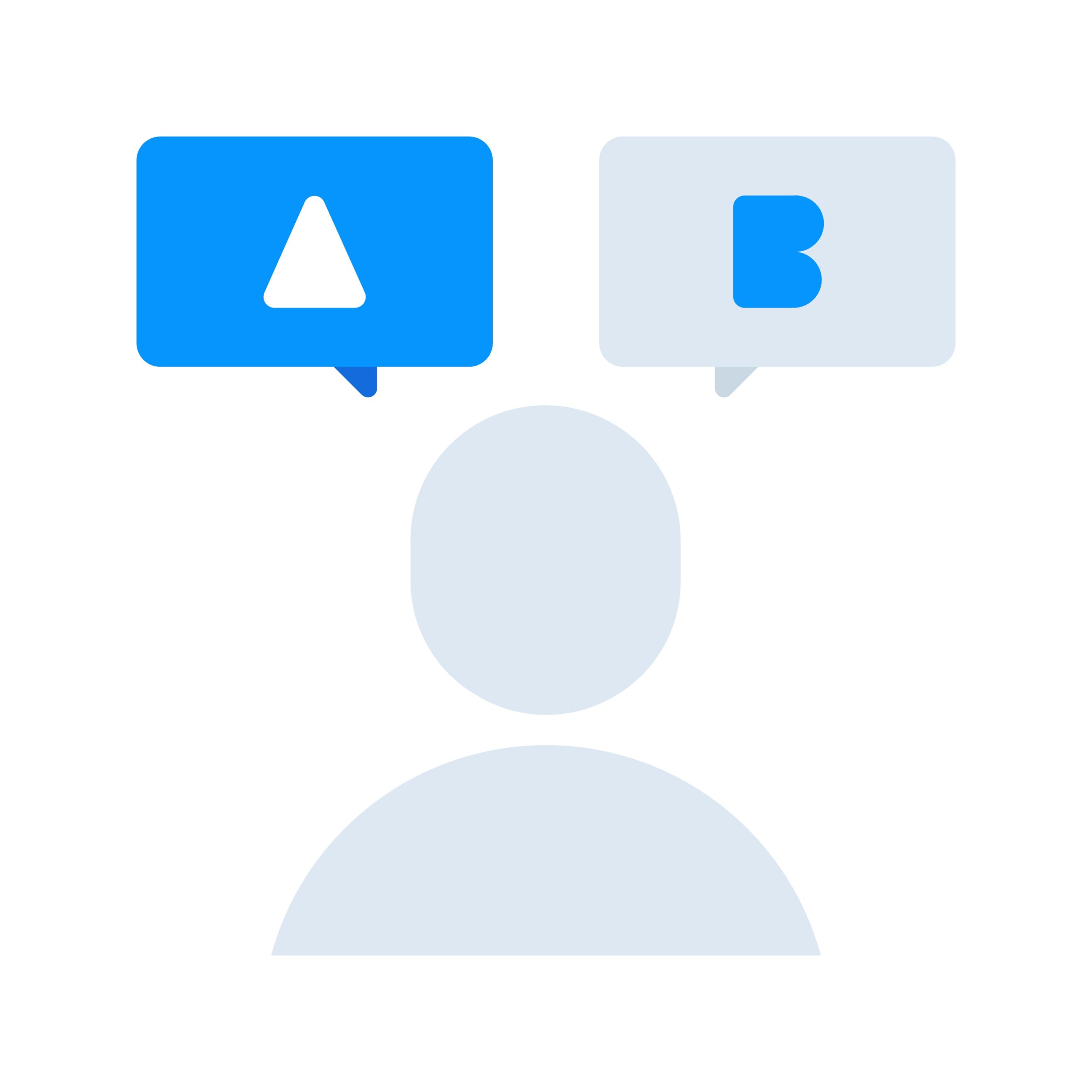
Your most reliable tool for optimization is A/B testing (also called split testing). The idea is straightforward: you create two versions of your page, Version A and Version B, but you only change one single thing between them. Then, you show each version to different groups of visitors and see which one gets better results.
The golden rule of A/B testing is to only change one variable at a time. If you swap out the headline and the button color, you’ll have no idea which change actually made the difference.
Start by testing the elements that pack the biggest punch.
- Your Headline: Does a direct, benefit-driven headline work better than one that piques curiosity?
- Call-to-Action (CTA) Button: Try changing the text (“Get My Free Guide” vs. “Download Now”) or even just the color. You’d be surprised what a difference a color can make.
- Images or Visuals: Does a photo of a person using your product outperform a clean graphic of your ebook cover?
- Form Length: See what happens when you ask for just an email address compared to asking for a name and email. Does the conversion rate change?
For a deeper dive into effective experimentation, there are some great guides on A/B testing for landing pages that can help.
Key Metrics You Must Track
You can’t fix what you don’t measure. Get comfortable in your analytics dashboard and keep a laser focus on the numbers that tell you the true story. The most important metric, hands down, is your conversion rate—the percentage of visitors who actually complete the form and sign up.
Don’t forget about page speed, either. Every second matters. We’ve seen pages that load in just one second convert three times higher than pages that take five seconds to appear. In fact, every single second of delay can cause a staggering 7% reduction in conversions. That adds up fast.
Keep a close watch on these numbers. They’re your roadmap to improvement. For more practical advice, check out our other posts on how to boost conversions.
Got Questions About Squeeze Pages? We’ve Got Answers.
Even after you’ve mapped out the perfect strategy, a few nagging questions can pop up when it’s time to actually build your squeeze page. Let’s tackle some of the most common ones head-on.
How Long Should a Squeeze Page Be?
Short. Really short.
Think of it this way: your only job is to present a fantastic offer and make it incredibly easy for someone to say “yes.” Cut out everything else. Ideally, your visitor should see your killer headline, a quick list of benefits, and the sign-up form all in one glance—no scrolling required.
Do I Really Need a Thank You Page?
Yes, you absolutely do. A thank you page is more than just good manners; it’s a critical part of the user experience.
It confirms that their submission went through, tells them what to expect next (like, “go check your inbox!”), and it’s a golden opportunity to deepen the relationship. You can use it to point them to your social media, offer a small upsell, or just share a bit more about your brand.
Should My Squeeze Page Be Mobile-Friendly?
That’s not even a question anymore—it’s a requirement. With so much traffic coming from phones, a clunky mobile experience is a conversion killer.
In fact, mobile-optimized sites can see conversion rates 100% higher than pages that aren’t built for small screens. And considering that most mobile users will bounce if a page takes more than three seconds to load, you can’t afford to get this wrong. Check out some of the latest landing page performance data if you want to see just how much this matters.
Ready to make sure your most important messages get seen? LoudBar helps you create unmissable, attention-grabbing notification bars that break through the noise and drive action.
Leave a Reply